
Understanding the Seasonal Cycles of the Sri Lankan Dry Zone
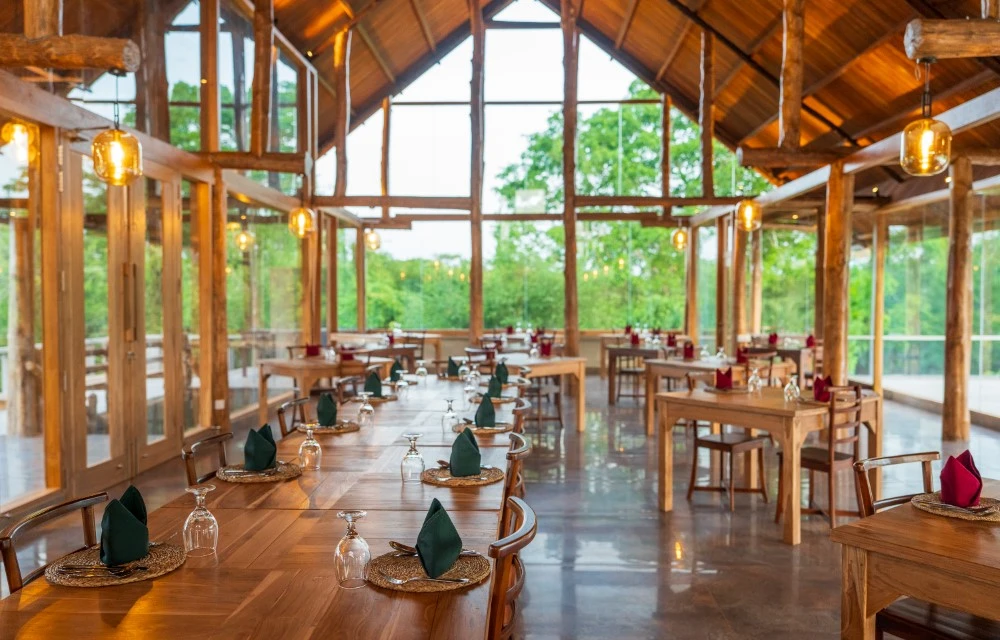
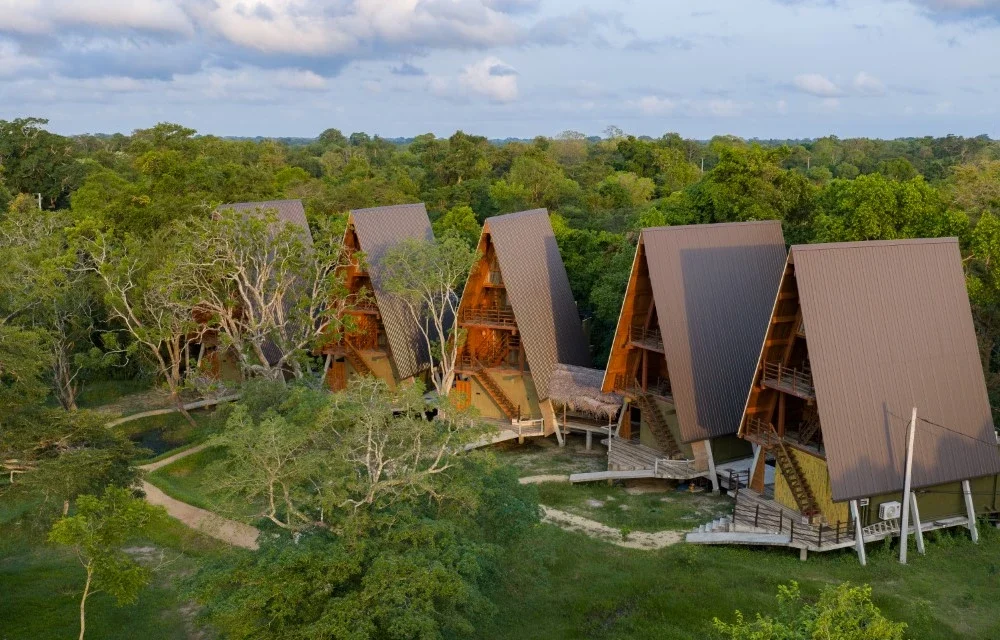
Planning a trip to the North Central Province requires a deep understanding of the tropical climate cycles that dictate animal movement within the dense scrub forest. The Best Time for Wilpattu Safari is traditionally between February and October, a period when the dry zone landscapes undergo a dramatic transformation. During these months, the natural water basins, known locally as "Villus," begin to recede, forcing the elusive predators and large herbivores to congregate around the remaining water sources. This environmental pressure creates high-density sighting opportunities for travelers who are patient and well-prepared. Unlike the southern parks, this region offers a more temperate approach to wildlife viewing, where the forest canopy provides shade even during the height of noon. Visitors staying at our Rooms often find that the early morning mist in the dry season offers the most ethereal atmosphere for photography. The transition from the wet to the dry season is particularly beautiful, as the vibrant greenery of the monsoon gives way to the golden hues of the drought. This shift in color not only aids in spotting the spotted coat of a leopard but also makes the white-striped markings of the Sri Lankan Sloth Bear stand out against the parched earth. Understanding these nuances is the first step in ensuring your expedition is both productive and respectful to the delicate balance of the ecosystem.
The secondary peak for visitors occurs during the short dry window in June and July, often referred to as the "Palue" season. This is when the local Palu trees bear sweet fruit, attracting the Sloth Bears from the deep forest interiors to the tracks. Witnessing a bear foraging in the branches is a rare sight that requires precise timing and a bit of luck. Our expert naturalists, whose stories you can read on the About Us page, specialize in identifying these fruiting patterns to position our vehicles in the best possible spots. The weather during this time is consistently warm, with clear blue skies that are perfect for full-day excursions into the heart of the park. It is important to note that while the park remains open year-round, the experience changes significantly during the monsoon months of November to January. The heavy rains replenish the Villus, and the forest becomes an impenetrable wall of green. While leopard sightings may decrease due to the abundance of water throughout the park, this is the prime time for bird watchers. The arrival of migratory species from the northern hemisphere turns the park into an avian paradise. If you are a photography enthusiast, the soft, diffused light of the rainy season can produce stunning, moody portraits of the resident wildlife that are quite different from the high-contrast shots taken in the bright summer months.
How Temperature and Rainfall Affect Animal Movement Patterns
Temperature plays a pivotal role in determining the daily rhythm of the jungle, and savvy travelers align their game drives with these thermal shifts. During the peak heat of the day in August and September, most large mammals, including the Sri Lankan Elephant and the Leopard, seek refuge in the deep shade of the teak and palu forests. This is why the early morning and late afternoon sessions are considered the Best Time for Wilpattu Safari adventures. The cool air of dawn encourages animals to move along the sandy tracks to dry themselves or mark their territory. As the sun rises higher, the activity shifts toward the waterholes. Guests often ask during our FAQs sessions why we leave so early; the answer lies in the narrow window of activity before the tropical sun reaches its zenith. The humidity also plays a role, as high moisture levels after a brief afternoon shower can trigger an explosion of insect life, which in turn attracts an array of insectivorous birds and small mammals. This interconnected web of life means that every weather event, no matter how small, has a direct impact on what you will see through your binoculars. Our guides are trained to read these meteorological cues, adjusting the route based on wind direction and temperature to ensure you are always in the right place at the right time.
Rainfall is perhaps the most significant factor in the geography of the park. Wilpattu is unique because of its natural lakes, which are fed by rainwater and underground springs. During a particularly dry year, these lakes become the only lifeline for the animals, making the surrounding areas hotspots for predator-prey interactions. Conversely, after a period of heavy rain, the animals disperse, as they no longer need to travel far for a drink. This dispersal makes tracking a much more challenging and rewarding experience, requiring a guide with an intimate knowledge of the animal corridors. You can view the different landscapes and water levels across seasons in our Gallery to help you decide which aesthetic appeals to you most. For those who prefer a more exclusive experience, visiting during the shoulder months of May or September can be highly rewarding. During these times, the park is less crowded, allowing for longer, more quiet sightings without the pressure of other vehicles. This silence is often when the most profound nature moments happen—a mother leopard moving her cubs or a serpent eagle swooping down for a kill. By choosing your timing wisely, you transform a simple holiday into a deep immersion into the life cycles of the Sri Lankan wilderness, gaining a perspective that few city-dwellers ever witness.
Strategic Planning for Bird Watching and Avian Migrations
While large mammals often take center stage, the avian diversity of the North Central Province is a major draw for international birders. The migratory season begins in late October and lasts through March, bringing in species like the Blue-tailed Bee-eater and the Forest Wagtail from as far as Siberia. These birds join the resident endemics such as the Sri Lankan Junglefowl and the Brown-capped Babbler to create a symphony of color and sound. The best time for birding coincides with the wetter months, as the rising water levels create ideal conditions for wading birds and waterfowl. Painted Storks, Great Egret, and the rare Lesser Adjutant can be seen stalking the shallows of the Villus. For those staying with us, we suggest checking the Amenities page to see our gear rental options, including high-spec binoculars and birding field guides. The intersection of different habitats—scrub land, forest, and wetland—means that you can spot a vast variety of species within a single kilometer. Our naturalists can help you identify the subtle differences in calls and plumage, turning a casual drive into an educational journey. The morning hours are particularly active for bird life, as they forage for food before the midday heat settles over the trees.
For the serious ornithologist, the "edge habitats" where the forest meets the water are the most productive zones. During the early months of the year, nesting activity is at its peak, providing opportunities to see parent birds feeding their young or performing elaborate courtship displays. The Crested Serpent Eagle and the Changeable Hawk-eagle are the apex predators of the sky here, and they can often be seen perched on dead trees overlooking the waterholes, waiting for a movement in the grass. Because we are located so close to the park entrance, our guests have the advantage of reaching these prime birding spots before the light becomes too harsh for photography. We also provide specialized photography tours that focus on capturing these fast-moving subjects in their natural environment. If you want to see more about what species have been spotted recently, our Blogs section provides monthly updates on rare sightings and nesting reports. Whether you are looking for the vibrant Blue-faced Malkoha or the elusive Fish Owl, the seasonal timing of your visit will dictate the variety and frequency of your encounters. Plan your trip to align with these natural rhythms, and the jungle will reveal its secrets in ways you never imagined.
Preparation Tips for Your Wildlife Adventure
- Carry light, breathable clothing in neutral colors like khaki, green, or brown to blend in.
- Bring high-protection sunscreen and a wide-brimmed hat to combat the tropical sun.
- Invest in a good pair of binoculars; even the closest animals benefit from a detailed view.
- Maintain silence during sightings to ensure the animals exhibit natural, undisturbed behavior.
- Pack a versatile camera lens (70-300mm or 100-400mm) to capture both distant and near subjects.