

The Vibrant Avian Diversity of the North Central Province
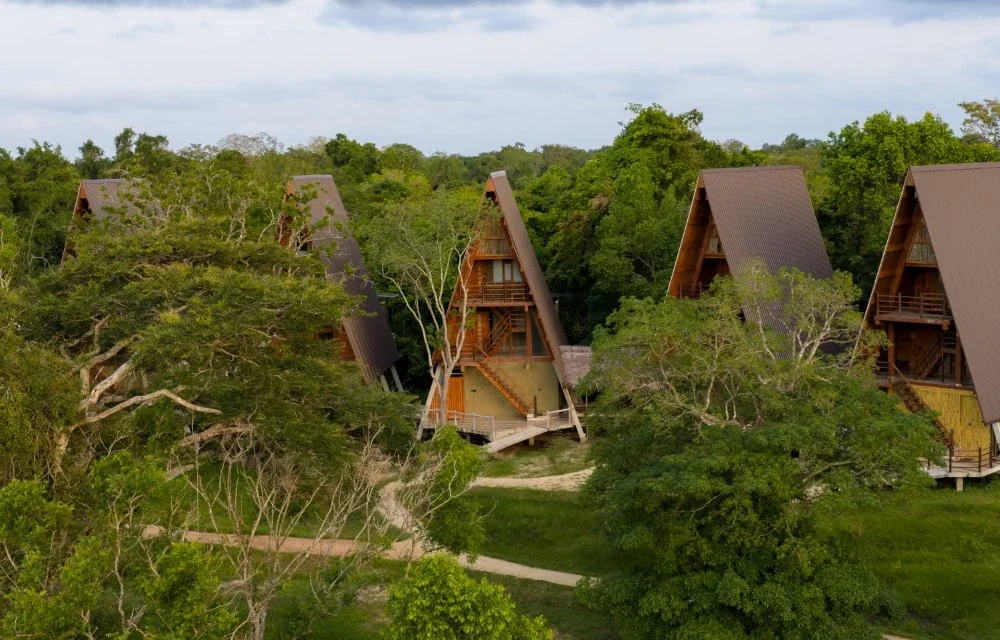
The dry zone of Sri Lanka is home to a staggering array of birdlife, and a dedicated expedition for Bird Watching in Wilpattu reveals a world of color and sound that many safari-goers often overlook. With over 200 species recorded within the park's boundaries, the diversity ranges from massive birds of prey to tiny, jewel-toned sunbirds. The unique mix of forest, scrubland, and freshwater Villus creates the perfect environment for both resident endemics and seasonal migrants. For those staying in our Rooms, the experience often begins before they even leave the resort, as our indigenous gardens attract species like the Sri Lankan Grey Hornbill and the vibrant Indian Pitta. The early morning hours are the most productive, as the forest canopy comes alive with the calls of the Sri Lankan Junglefowl—the national bird of the island. Our naturalists are experts at identifying these sounds, helping you spot hidden birds long before they are seen by the naked eye. This auditory immersion is one of the most rewarding aspects of a slow safari, allowing you to appreciate the complexity of the ecosystem. Understanding the seasonal movements of these birds is key to a successful birding trip, as many species arrive and depart according to the monsoon cycles and food availability.
For the serious birder, the "endemic" species are the ultimate prize. Sri Lanka boasts 34 endemic birds, many of which can be found right here in the dry zone. The Brown-capped Babbler and the Crimson-fronted Barbet are frequent visitors to the fruiting trees around the waterholes. To get a sense of the visual splendor you can expect, our Gallery features high-definition photography of these endemic species in their natural habitat. We provide high-quality binoculars and spotting scopes for our guests, ensuring that even the most distant bird is brought into clear focus. If you are a photography enthusiast, you will find that the soft light of the early morning provides the perfect conditions for capturing the intricate plumage of these birds. For more detailed information on our birding equipment and services, please visit our Amenities page. We believe that bird watching is an exercise in mindfulness, requiring patience and a keen eye for detail. It’s not just about ticking a species off a list; it’s about observing their behaviors, from the elaborate courtship dances of the Peacocks to the strategic hunting patterns of the Crested Serpent Eagle. This deeper engagement with nature is what we strive to facilitate for every guest who walks through our forest gates.
Migratory Patterns and Seasonal Avian Highlights
From late October to early April, the park becomes a temporary home for thousands of migratory birds traveling along the Central Asian Flyway. These winter visitors add a completely different dimension to Bird Watching in Wilpattu, as they congregate around the Villus to feed and rest. Species like the Blue-tailed Bee-eater and the Forest Wagtail are common sights during these months, having traveled thousands of miles to escape the harsh northern winters. The wetlands are particularly active, with various species of sandpipers, plovers, and ducks filling the shallow waters. The arrival of these migrants is a celebrated event in our resort, and we often update our Blogs with the latest sighting reports and migration charts. For guests planning a visit during this time, our FAQs section offers advice on what to pack for the diverse weather conditions and the best lenses for avian photography. The interplay between the residents and the migrants creates a dynamic environment where you can see dozens of different species in a single morning. This seasonal variety ensures that no two birding trips are ever the same, providing fresh discoveries for even the most frequent visitors to the park.
The birds of prey, or raptors, are perhaps the most impressive of the winter highlights. The Changeable Hawk-eagle and the Grey-headed Fish Eagle are year-round residents, but their numbers are supplemented by migratory raptors like the Western Marsh Harrier. These apex predators of the sky can often be seen circling over the open Villus or perched on dead trees, scanning the ground for movement. Our guides are trained to position the safari vehicles in a way that provides the best angle for photography without disturbing the bird's hunting process. You can find more about our specialized birding itineraries on our Nearby Attractions page. We also prioritize conservation and ethical birding, ensuring that we never approach nesting sites or use playback calls that could stress the birds. This responsible approach is at the heart of our hospitality, as we aim to protect the very creatures that our guests come to see. By staying with us, you are supporting a resort that is deeply committed to the preservation of the Sri Lankan avian heritage and the protection of their vital habitats. The relationship between the birds and the forest is a delicate one, and we are proud to be its guardians, sharing its wonders with travelers from around the world.
Photography Tips for Capturing Fast-Moving Birds
Photographing birds in a dense scrub forest requires a combination of technical skill and high-end equipment. The most important factor is shutter speed; to freeze the action of a bird in flight or even a small passerine hopping between branches, you need a speed of at least 1/2000th of a second. This often requires increasing your ISO, especially in the dappled light of the forest interior. We recommend using a telephoto lens with a focal length of at least 400mm to get close-up shots without intruding on the bird's personal space. Many of our guests find that using a "gimbal head" or a sturdy beanbag on the jeep's frame provides the stability needed for sharp images. For more technical advice and gear reviews, our About Us page features profiles of our resident naturalists who are also accomplished wildlife photographers. They can offer personalized tips on how to handle the high-contrast lighting of the dry zone and how to time your shots for the most dramatic effect. Whether you are capturing the vibrant colors of a Kingfisher or the powerful strike of an Eagle, the thrill of getting the perfect shot is one of the most rewarding experiences of a safari.
Focusing is another major challenge, particularly when a bird is perched behind a wall of leaves or twigs. We suggest using "back-button focus" and a single-point autofocus system to ensure the camera locks onto the bird's eye rather than the surrounding foliage. Patience is essential; sometimes waiting for a bird to turn its head or for a cloud to soften the light can make all the difference between a good photo and a great one. We encourage our guests to share their best captures with us, and we often feature them on our social channels and in our Contact Us materials. Beyond the technicalities, it’s important to remember to take a moment to look away from the viewfinder and simply enjoy the beauty of the bird in its environment. The vibrant flash of a Paradise Flycatcher’s tail or the majestic soar of a Brahminy Kite are moments of pure natural magic that are best appreciated with your own eyes. Our goal is to provide you with the tools and the opportunities to capture these moments, ensuring that your birding holiday in Sri Lanka is as productive as it is inspiring. Join us in the wild and discover why this corner of the island is considered one of the premier birding destinations in South Asia.
Must-See Birds of the Dry Zone
- Sri Lankan Junglefowl: The colorful national bird, often seen in the early mornings on the tracks.
- Malabar Pied Hornbill: Known for its unique casque and loud, distinctive calls from the canopy.
- Crested Serpent Eagle: A majestic raptor frequently perched near waterholes waiting for prey.
- Painted Stork: A beautiful wading bird found in large numbers around the shallow Villus.
- Sri Lankan Grey Hornbill: An endemic species easily identified by its curved beak and grey plumage.