
The Geological Mystery of the Natural Sand-Rimmed Water Basins
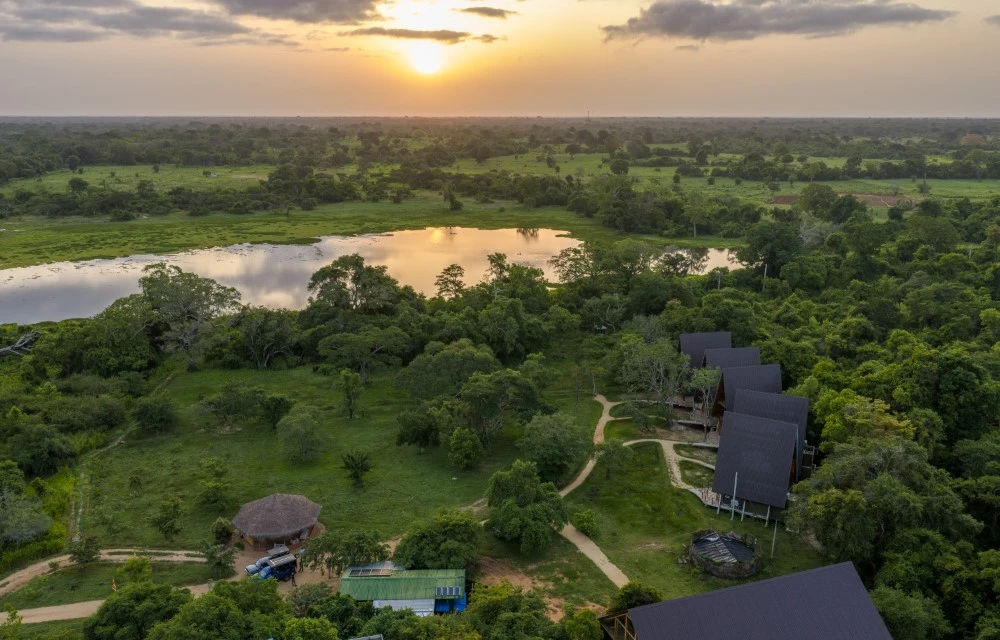
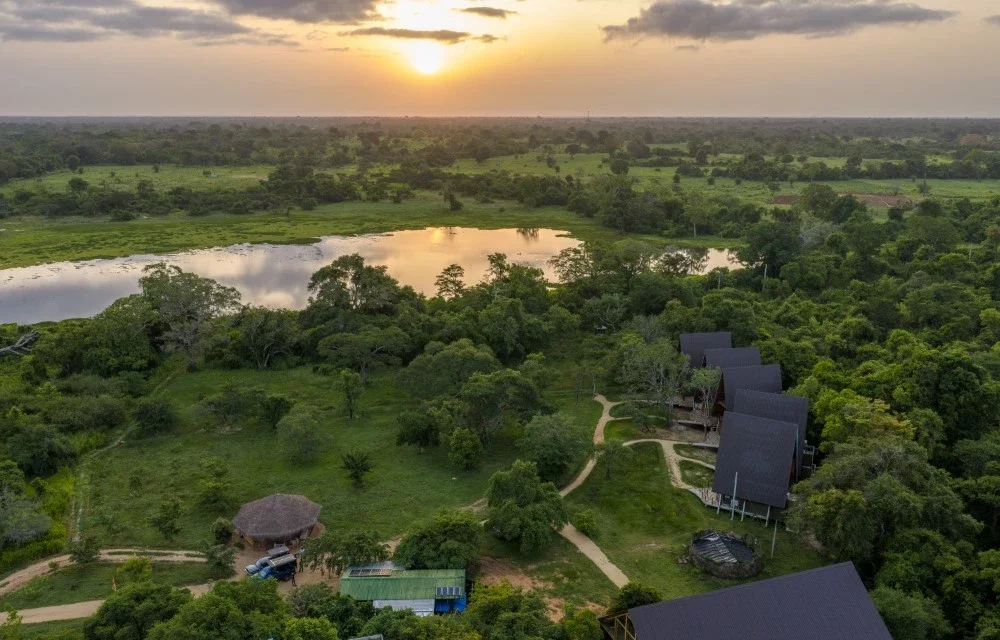
The defining characteristic of this vast wilderness is the presence of natural, rain-fed water bodies known as Villus. Understanding the Wilpattu Ancient Ruins and Villu Landscapes requires looking back thousands of years into the geological and cultural history of the North Central Province. Unlike the man-made reservoirs found in other parts of Sri Lanka, these basins are natural depressions in the earth that collect rainwater, creating a permanent or semi-permanent oasis for the local wildlife. The unique white sand rims that surround these lakes give the park an ethereal, beach-like appearance deep within the forest interior. These water sources are not just essential for animal survival; they are the focal points of the entire ecosystem, attracting everything from the elusive leopard to the majestic Sri Lankan Sloth Bear. Guests staying at our Rooms often comment on the profound sense of peace found at these waterholes during the early morning hours. The interaction between the dry scrub forest and the vibrant wetlands creates a biodiversity hotspot that is unparalleled on the island. Our naturalists often explain that the health of the Villus is a direct indicator of the health of the entire park, making them the most significant environmental features you will encounter during your game drives.
Scientifically, these Villus are fascinating because they represent a rare type of wetland found only in this specific region. The water levels fluctuate significantly with the seasons, revealing different layers of the landscape and attracting various species accordingly. During the height of the dry season, the receding waters leave behind nutrient-rich silt that sprouts fresh grass, which in turn attracts large herds of Spotted Deer and Wild Boar. This concentration of prey is what makes the Villu edges the primary hunting grounds for the island's apex predators. If you are interested in the scientific breakdown of this topography, the Wilpattu Wikipedia page offers a wealth of information regarding the soil composition and drainage patterns. For our visitors, however, the attraction is purely visual and emotional—the sight of a herd of elephants bathing in the golden light of sunset reflected off a pristine lake is a memory that stays forever. You can browse through our Gallery to see the dramatic seasonal changes these landscapes undergo. Each Villu has its own personality, from the large and open expanses to the smaller, more intimate pools hidden deep within the mahogany thickets. Selecting the right waterhole to observe is an art form our guides have mastered over decades of exploration.
Tracing the Footsteps of Ancient Kings Amidst the Wild
Beyond its natural beauty, this park is a living museum of Sri Lankan history, housing ruins that date back to the very dawn of the island's civilization. Legend has it that Kudiramalai Point, located on the park's western coastline, was the landing site of Prince Vijaya, the founding father of the Sinhalese people. The red-colored earth of this region is said to have given the island its ancient name, Tambapanni. As you traverse the sandy tracks, you will encounter weathered stone pillars and ancient brickwork that are remnants of a time when this forest was a bustling center of trade and royalty. Many of these sites remain largely unexcavated, hidden beneath the roots of ancient Palu and Kumbuk trees, adding an element of mystery to every expedition. Our Nearby Attractions guide provides a detailed look at the historical significance of these locations for those who wish to delve deeper into the island’s heritage. The juxtaposition of a wild leopard resting upon a thousand-year-old stone slab is a powerful reminder of how nature eventually reclaims what man creates. This historical depth is why we encourage our guests to look beyond the animals and appreciate the cultural layers of the land they are visiting. It provides a context that transforms a simple safari into a profound journey through time and nature.
The archaeology of the region suggests that the area around the Villus was highly populated, with advanced irrigation systems and religious sites. Small shrines and burial mounds are scattered throughout the park, many of which are only accessible with the help of a knowledgeable guide who understands the terrain. For guests who have questions about the safety and accessibility of these remote ruins, our FAQs section addresses common concerns regarding guided walks and historical tours. The sense of discovery is palpable when you come across an ancient inscriptions or a carved stone footprint in a place where only animals roam today. This connection to the past is a central theme of our hospitality philosophy, as we believe in preserving both the natural and cultural integrity of Wilpattu. By choosing to stay with us, you are supporting a resort that values this heritage and works to keep these stories alive for future generations. You can learn more about our commitment to local history on the About Us page. We often find that guests who come for the leopards leave with a newfound fascination for the ancient kings and the civilizations that once thrived in the heart of this dry zone wilderness, creating a truly holistic travel experience.
Strategic Sightseeing Near the Coastal Edge
The western boundary of the park meets the Indian Ocean, creating a dramatic coastal landscape that is rarely visited by the average tourist. This area is characterized by towering cliffs of red earth and turquoise waters, offering a stark contrast to the dense forest interiors. The ruins at Kudiramalai are particularly significant here, featuring ancient stone carvings and the remains of what is believed to be an ancient port. This coastal strip is also a prime location for spotting marine life and specialized coastal birds that are not found further inland. The wind-swept trees and the salt-spray in the air create a completely different atmosphere, one that feels more like a remote island than a mainland forest. Many of our full-day safari packages include a trip to the coast for a midday picnic, allowing guests to soak in the views and explore the ruins at a leisurely pace. Our Amenities include everything you need for these extended trips, from high-quality catering to professional-grade field equipment. This diversity of landscape—from the inland Villus to the coastal cliffs—is what makes this destination so unique compared to other national parks in Sri Lanka. It offers a multifaceted adventure that appeals to history buffs, nature lovers, and adventure seekers alike, all within the span of a single day.
For those interested in the maritime history of the region, the stories of ancient seafaring and trade are brought to life by our naturalists. They describe how ancient sailors used the landmark of the red cliffs to navigate toward the island's shores. The remains of ancient horse statues and stone temples speak of a time when this was a crossroads of cultures. We often update our Blogs with recent historical findings and stories shared by local elders to keep our guests informed about the latest discoveries. These coastal ruins are not just piles of stone; they are the anchors of our national identity. Exploring them requires a deep respect for the environment and an understanding of the fragile nature of these ancient structures. We ensure that our tours are conducted with the highest ethical standards, leaving no trace behind and respecting the sanctity of these historical sites. Whether you are standing on the edge of a Villu or looking out from the red cliffs of Kudiramalai, the sense of being part of something much larger than yourself is a constant companion. The park is a sanctuary for the soul, where the whispers of the past meet the vibrant pulse of the present, offering a travel experience that is as educational as it is exhilarating.
Guidelines for Exploring Historical Sites
- Always follow the instructions of your guide when approaching ancient stone ruins.
- Do not touch or remove any artifacts, bricks, or stones from the historical locations.
- Maintain a respectful distance from any religious shrines or burial mounds encountered.
- Use only designated paths to reach coastal viewpoints to prevent soil erosion.
- Take only photographs and leave only footprints to preserve the integrity of the ruins.